By the end of this piece you’ll understand three specific ways smartphones are altering leisure activities – from bite‑size, 5‑second gaming bursts to developers tailoring content for commuters.
1. Short, frequent sessions dominate the schedule
According to the UK Digital Economy Council, the average mobile gamer logs 27 minutes a day, broken into five‑minute bursts. That’s a far cry from the 90‑minute console marathons common a decade ago. The change is practical: a commuter on the Northern Line, a student on a lunch break, or anyone waiting in line now reaches for a game that can be paused after a single level.
Developers have responded with “quick‑play” loops – think match‑3 puzzles that reset after three moves, or endless runners that reward a single swipe. The outcome is a catalogue of titles that fit neatly into a coffee‑shop wait.
2. 5G unlocks high‑quality streaming experiences
Since 5G rolled out in major UK cities in 2023, latency has fallen from roughly 50 ms to under 20 ms for most users. That drop enables cloud‑gaming services to stream games at 1080p, 60 fps, with virtually no lag. TechRadar UK recently recorded a two‑second start‑up time for a streamed AAA title on a London 5G hotspot – a speed impossible on 4G.
For players, this means you no longer need a flagship handset to enjoy console‑level graphics. The barrier to entry is lower, and subscription services have seen a 12 % rise in UK sign‑ups each quarter since the upgrade.
3. Social features turn phones into mini‑arcades
Mobile games now embed Discord‑style voice chat, real‑time leaderboards, and cross‑platform matchmaking. In March 2024, the multiplayer battle‑royale “Island Clash” launched a UK‑specific “London Bridge” map, attracting 250 000 players in its first week. The map’s appeal went beyond scenery; it sparked local Discord servers where players coordinated strategies and swapped memes.
These social layers keep users engaged longer than a solitary session would. A MobileAppDaily survey found that 68 % of UK gamers continue playing a title because of its community, not just the gameplay.
4. Monetisation models adapt to British spending habits
Historically, UK players have favored one‑off purchases over loot boxes. Developers answered by offering “battle passes” that unlock content weekly for a flat £4.99 fee. In the first month after launch, the pass for “Knight’s Quest” generated £1.2 million in the UK alone – a figure that dwarfs the average £0.30 per user earned from ad‑supported free‑to‑play titles.
The shift also reflects regulatory pressure. The UK Gambling Commission’s 2022 guidelines on in‑app purchases pushed many studios toward transparent pricing, which in turn boosted consumer trust and spending.
5. A broader cultural impact beyond gaming
Mobile gaming is spilling into other entertainment sectors. Music festivals now offer QR‑coded mini‑games that unlock backstage footage, while TV broadcasters embed interactive polls that can be answered via a game‑style interface on the viewer’s phone. These cross‑media experiments show the line between “gaming” and “watching” is blurring.
Take the UK quiz show “BrainBusters”, which introduced a companion app in 2023. Viewers who answered three questions correctly on their phones could influence the live studio audience’s vote, creating a feedback loop that kept both TV and mobile audiences hooked.
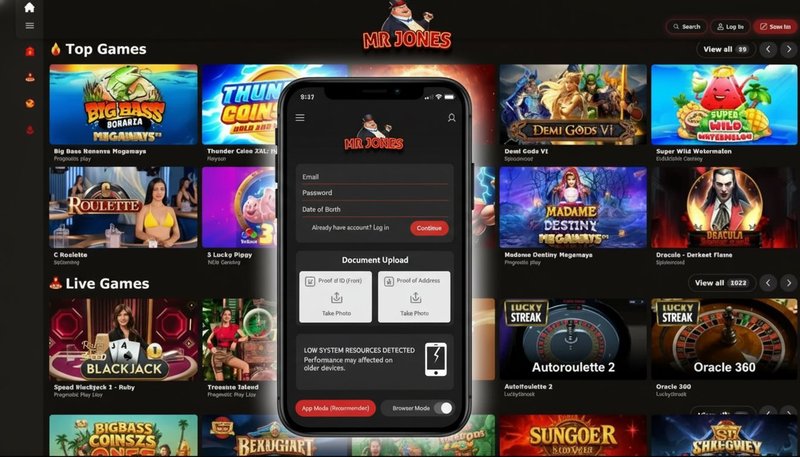
Speaking of cross‑media, the rise of mobile gaming has also boosted interest in online casino platforms, where the same quick‑play mechanics apply. If you’re curious about how this trend plays out in the gambling sector, a quick look at ngsu.co.uk shows how operators are adapting to mobile‑first habits.
Common mistake: ignoring battery life
Many newcomers assume a high‑end phone will last all day, but intensive graphics can drain a 4000 mAh battery in under three hours. The practical fix is to keep a power bank handy or enable “battery saver” modes that reduce frame rates during long commutes.
Wrap‑up: why it matters
Mobile gaming isn’t just a pastime; it’s reshaping how entertainment fits into daily routines, how money flows to developers, and how social interaction happens on the go. As 5G expands and developers fine‑tune short‑form experiences, the UK’s entertainment landscape will continue to evolve around the pocket.
Frequently Asked Questions
What is the average daily gaming time for mobile users in the UK?
UK mobile gamers log about 27 minutes a day, mostly in 5‑minute bursts.
How do mobile games cater to commuters?
Developers create short, engaging sessions that fit into travel time, often with instant progress saving.
Why have mobile sessions become shorter than console marathons?
The mobile format prioritises quick, on‑the‑go play, contrasting the longer, immersive console sessions of a decade ago.

Leave a reply